

Automatic Parking Facility
Robotic Parking – Advanced Parking Solutions
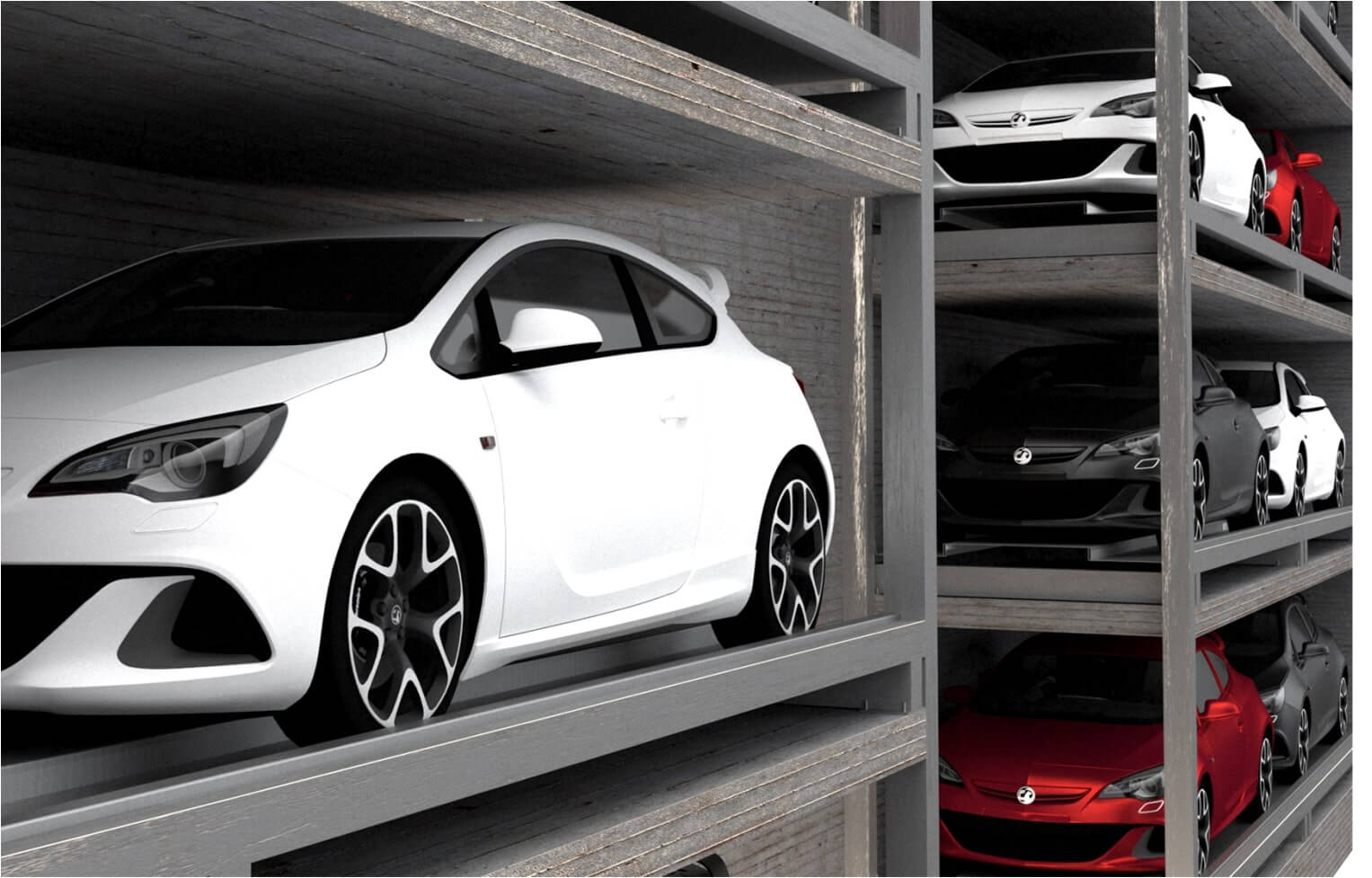
A robotic parking system is an automated system for storing and parking vehicles on a relatively large scale. Systems of this type are mainly suitable for private entities, and are especially popular in TAMA 38 projects. Many engineering experts predict that the trend of using this type of smart parking will increase and increase, calling it “the future of the parking world.”
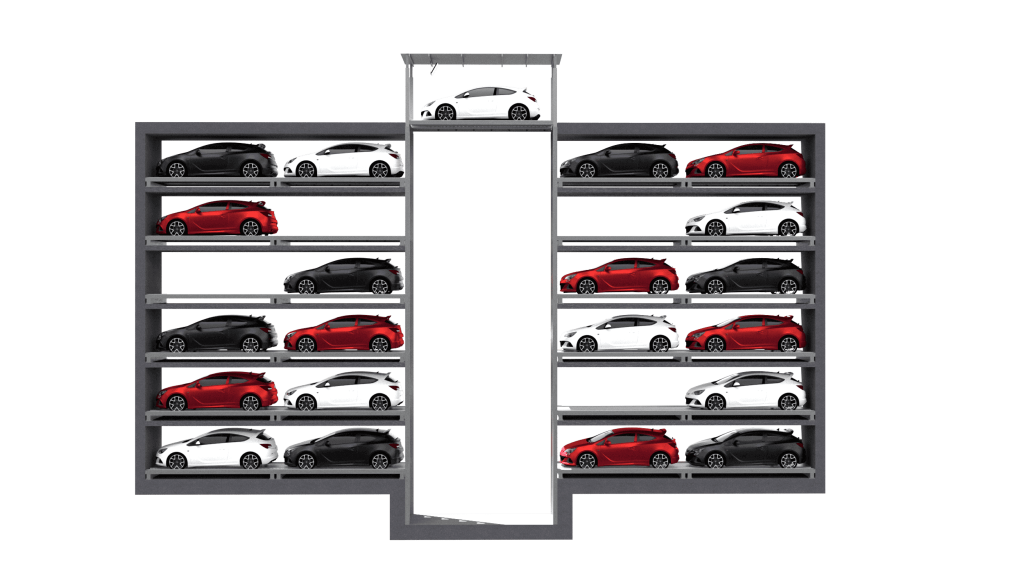
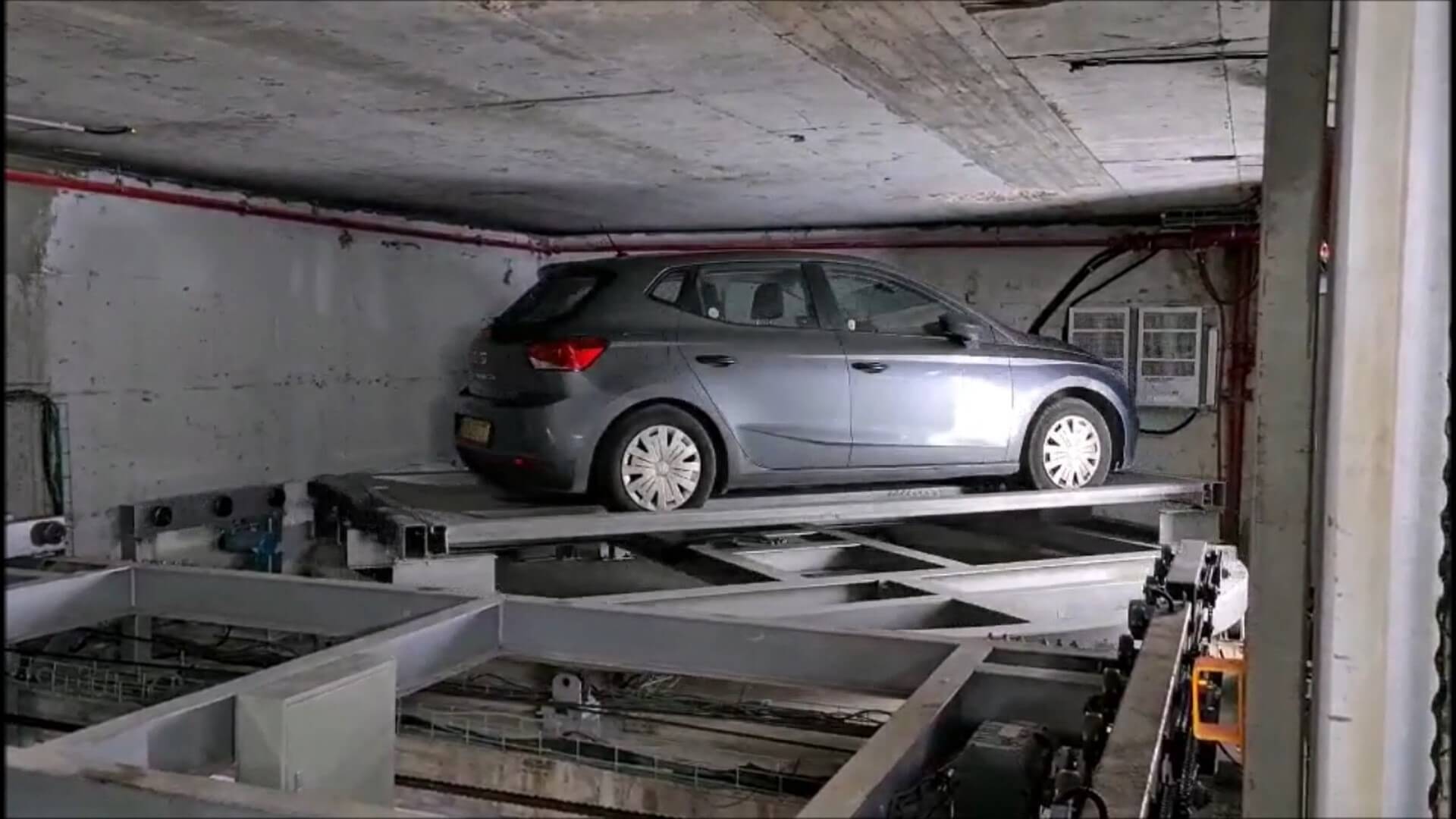
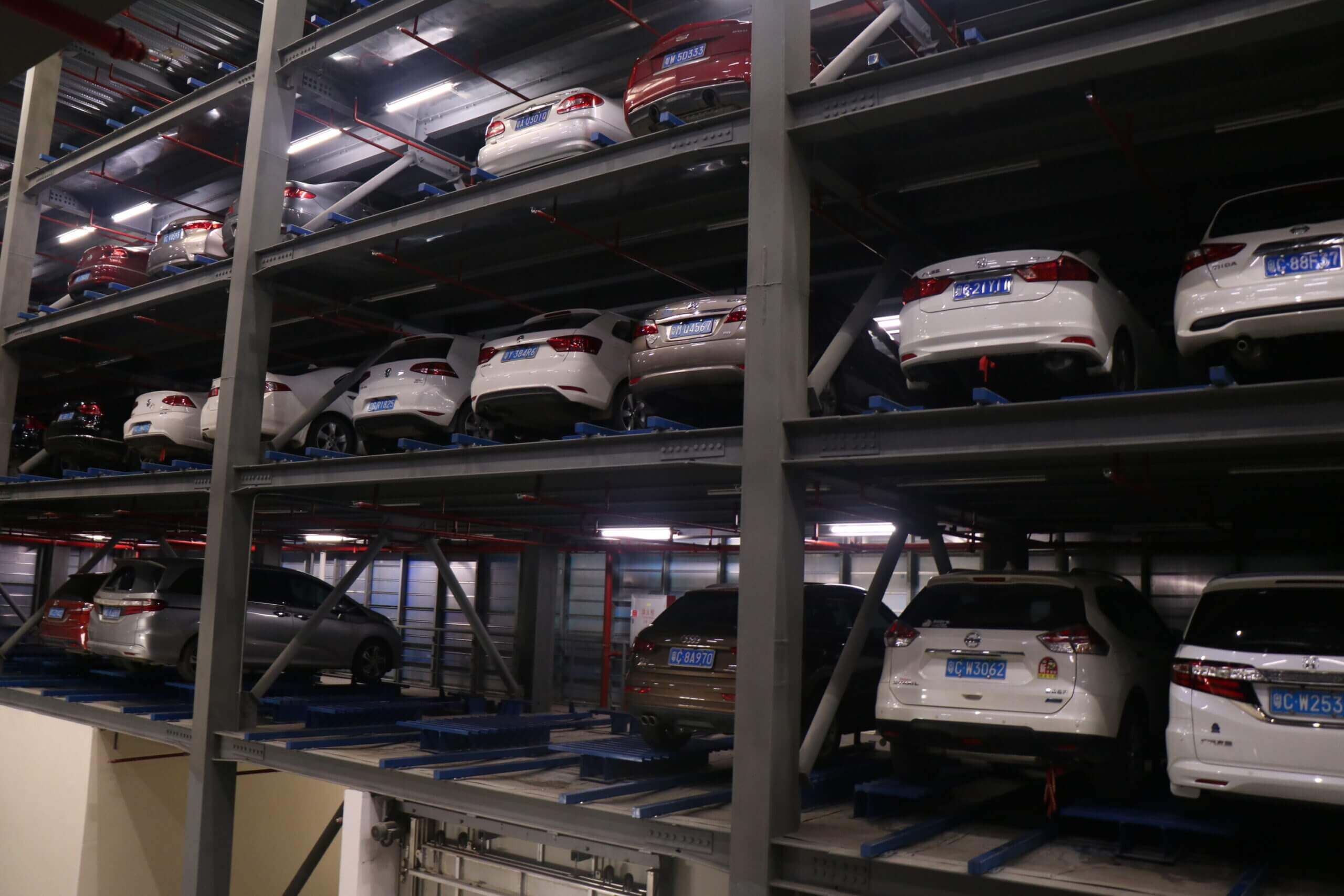
The system is called robotic parking due to the fact that it operates independently by smart sensors that communicate with each other and do not depend on a human operator. After the vehicle is brought into the facility, it is placed in its parking space by motion sensors, and then the parking system automatically navigates the vehicle to its designated location within the “hive.”
At Karib Parking Solutions, we have many years of experience in planning, building, installing and maintaining robotic parking. When we design advanced, automated parking solutions on a large scale, we apply proven models of learning the customer’s needs and adapting the smart parking lot accordingly: starting with the number of vehicles needed in the present while looking to the future and taking into account existing terrain conditions, and ending with the combination of charging stations for electric vehicles and remote operation via smartphone.
A robotic parking system consists of several smart systems:
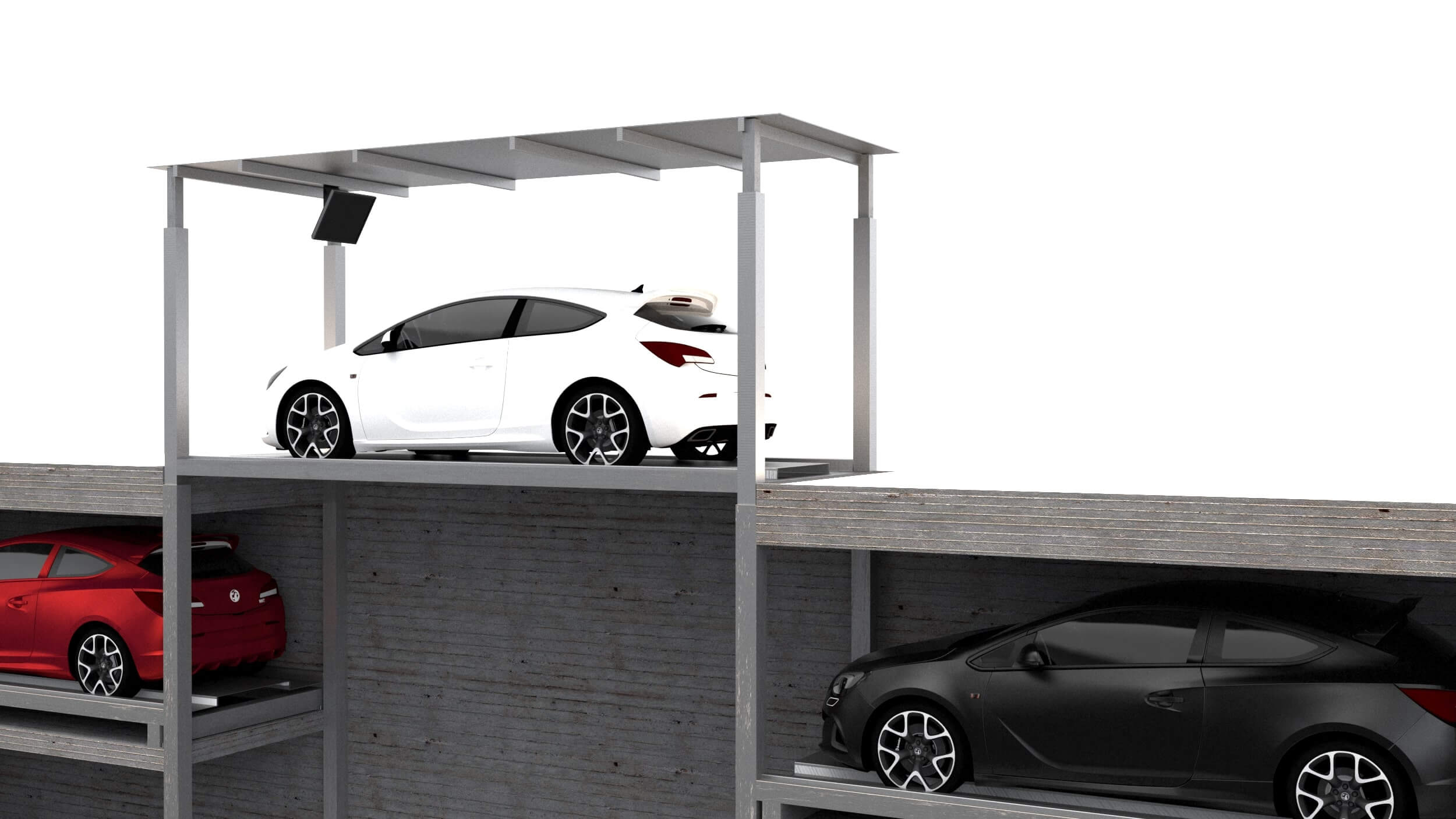
- A parking elevator that is responsible for transporting vehicles between the different levels.
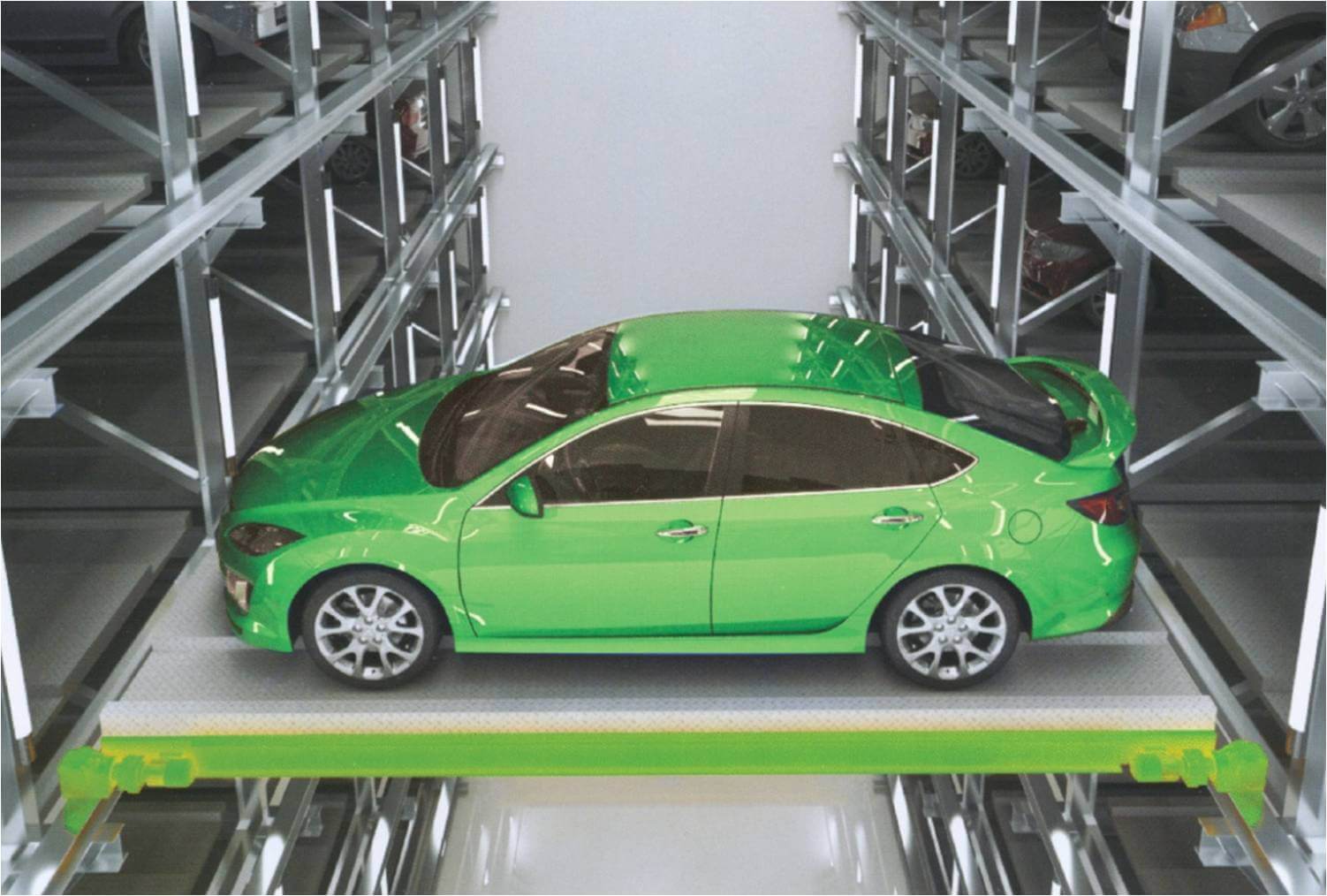
- A parking transporter, also known as a “traverser”, which picks up the vehicle from the parking lift and moves the vehicles to their designated parking spaces.
- A hidden raised canopy at ground level whose function is to receive and release vehicles.
- A turn plate to receive the vehicle facing the exit.
- It should be remembered that automated robotic parking is necessarily also modular, allowing the system to be adapted to the customer’s needs and making adjustments and changes according to changing needs.